THE DIRECT ANSWERPermission to enter does not automatically authorize remote work, local employment, business activity, or any particular tax treatment.
Who this is for
Travelers crossing a border while working, consulting, attending business activities, testing relocation, or staying long enough that tourism guidance is not the complete question.
DECISION RULEDo not treat visa-free entry, a visitor visa, or a digital-nomad label as permission for the described activity until the responsible authority addresses the passport, residence, payer, activity, and dates.
Work through it step by step
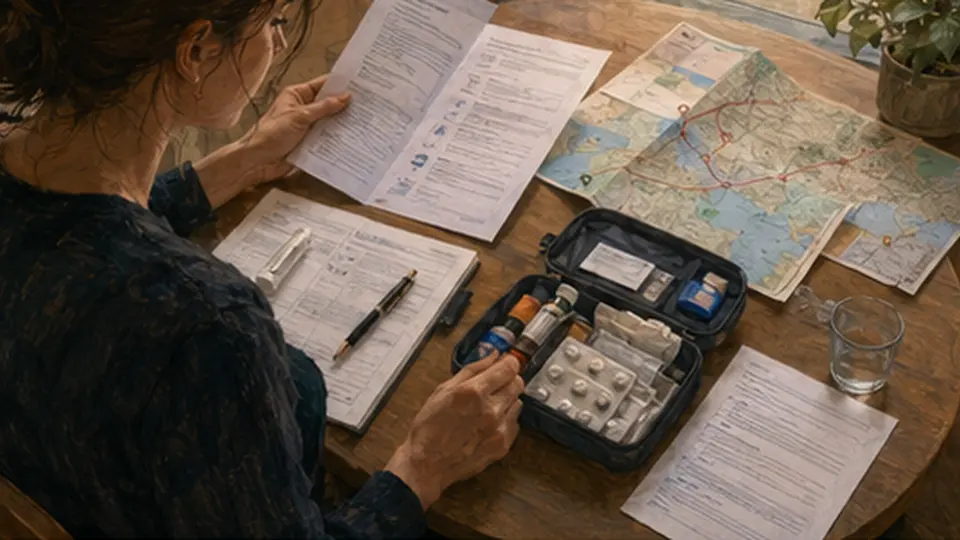 Conceptual planning scene
01Describe the activity
State who pays you, where they are, what you do locally, and for how long.
 Illustrated Lisbon example
02Find the responsible authority
Use immigration ministries and the embassy or consulate serving your residence.
 Illustrated Barcelona example
03Record scope and date
Save the page, passport scope, activity scope, review date, and ambiguity.
 Illustrated Tokyo example
04Escalate unclear language
Use qualified advice when official material does not cover the facts.
Apply the process to real choicesPicture the ordinary week, then test the constraints.
The illustrations help you imagine the decision. Open each field file for the city-specific tradeoffs and reviewed source status.
A realistic example
A US passport holder can enter a destination as a visitor, but official material does not clearly address remote consulting for foreign clients. Instead of treating entry permission as the answer, the traveler records the facts, asks the responsible consulate, and obtains qualified advice before signing a three-month lease.
Mistakes to avoid
- Visa-free equals work-authorized
- Forum answers as law
- Ignoring employer location
- Mixing tax and immigration tests
Checklist