THE DIRECT ANSWERA destination is not affordable because local rent is lower. Price upfront cash, monthly life, continuing home costs, business costs, and the return.
Who this is for
Travelers comparing an extended stay with remaining home, especially when deposits, continuing obligations, currency, or business reimbursements make rent an incomplete number.
DECISION RULEProceed only when upfront cash, nonrefundable stay cost, continuing home cost, contingency, and protected return money are funded separately.
Work through it step by step
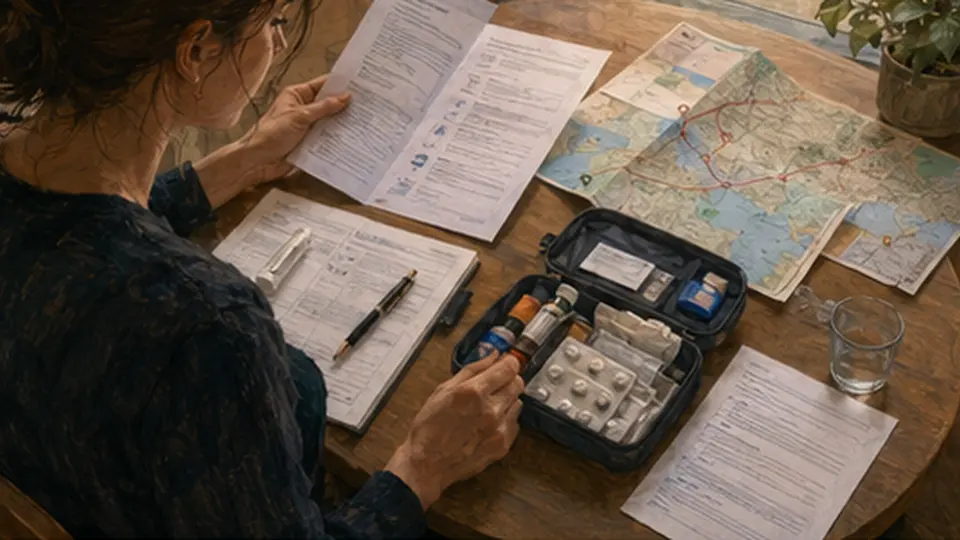 Conceptual planning scene
01Separate cost timing
List one-time, refundable, monthly, variable, home, business, and return costs.
 Illustrated Oaxaca City example
02Use contract currencies
Model housing in the currency actually owed.
 Illustrated Chiang Mai example
03Protect access
Carry independent payment methods, recovery methods, and a reserve outside daily spending.
 Illustrated Lisbon example
04Reforecast weekly
Compare actual and planned spend before deciding to extend.
Apply the process to real choicesPicture the ordinary week, then test the constraints.
The illustrations help you imagine the decision. Open each field file for the city-specific tradeoffs and reviewed source status.
Oaxaca CityWriters, makers, independent workers, and people prioritizing food, craft, and a slower daily rhythm.Chiang MaiIndependent work, cafés, regional travel, and a lower-intensity city routine.LisbonEurope-facing professionals, coastal access, transit, and a slower rhythm than the largest capitals. A realistic example
A two-month Chiang Mai stay appears inexpensive on rent alone. Once flights, a refundable deposit, insurance, coworking, home utilities, pet care, card fees, and return cash are added, the trip needs nearly twice the first estimate. The traveler shortens the stay rather than pretending the reserve is spending money.
Mistakes to avoid
- Treating a deposit as free cash
- Ignoring home expenses
- Promotional exchange rates
- No return reserve
Checklist